Destination accommodation infrastructure
Capsule Houses for Tourism Projects
Capsule houses can add organised accommodation at destinations where conventional construction is slow, seasonal demand changes quickly or the visual guest experience matters. They fit private tourism projects and structured public-private destination plans when access, services and approvals are designed first.
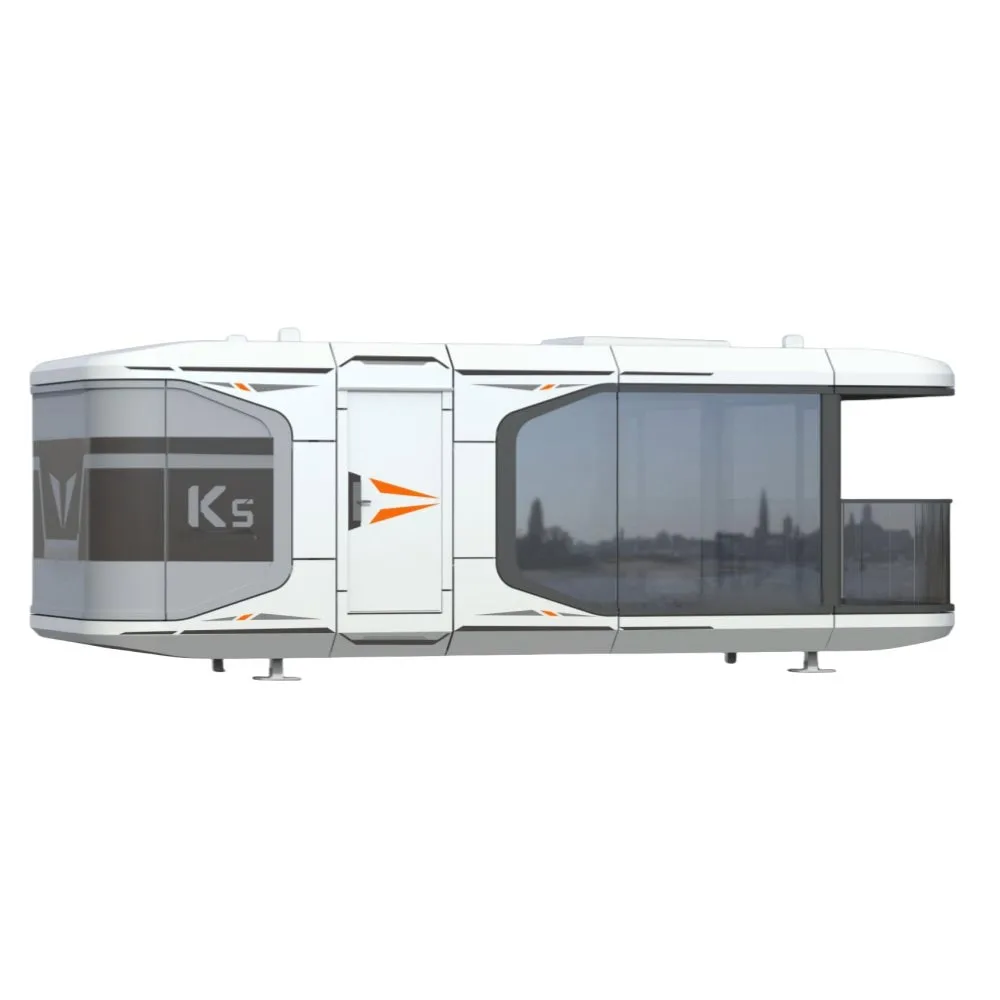
BIDUA K5 — Studio+ Capsule
27.2 m² · 2-2 guests
Destination development in India frequently stalls on the same problem: how to add quality accommodation quickly, at sites where a conventional build is slow, seasonal or environmentally sensitive. Prefabricated capsule houses offer a repeatable, factory-controlled unit that can be deployed in phases across a destination — the same reason prefab construction is being adopted for public infrastructure and smart-city projects. For eco-tourism sites, hospitality concessions and public-private destination plans, they provide capacity without a permanent, disruptive construction programme.
Two shifts are converging across India. Experiential, nature-led travel is now one of the fastest-growing accommodation segments, and prefabricated construction is scaling quickly as operators move away from slow, labour-heavy site builds. Government policy is pushing the same direction — the Draft National Strategy for Promotion of Rural Homestays proposes licensing exemptions, subsidies and a national booking portal, and states including Uttar Pradesh, Karnataka, Haryana and Chhattisgarh have rolled out dedicated homestay and rural-tourism policies. Factory-finished capsule houses sit exactly at this intersection: a photogenic, quick-to-deploy, relocatable room product for the new Indian traveller.
Who this solution is for
Tourism departments, destination developers, eco-tourism operators and hospitality concessionaires.
What the project includes
Model selection, technical review, commercial specification, logistics planning and site commissioning are coordinated against the actual delivery location and operating brief.
Capacity without a permanent construction programme
At many tourism sites the barrier to more visitors is beds, and the barrier to beds is construction — slow, seasonal, and often unwelcome at scenic or ecologically sensitive locations. Factory-finished capsule houses change the equation: units are built off-site, delivered, and placed on light foundations, so a destination can add organised, comfortable capacity in phases with minimal on-site disturbance. The same off-site, quality-controlled logic is why Indian public and smart-city projects are increasingly turning to prefab.
A repeatable, brandable unit across a circuit
For a destination or circuit spanning several sites, repeatability is an asset. A standard capsule model gives every location the same finish, the same guest experience and a recognisable visual identity, while a mix of sizes covers couples, families and premium guests. Because the units are relocatable, they also fit concession and lease structures where a permanent building would be impractical or where capacity may need to shift as demand patterns settle.
Get the groundwork right first
Tourism-project deployments live or die on planning done before procurement: a proper site and demand assessment, a defined operator and booking model, and early coordination of utilities, fire access and local, land-use and accessibility approvals. For public or PPP projects these run through tender and technical requirements. BIDUA can support model selection and concept-level placement from site dimensions, access, guest profile and utility information, then phase production against verified occupancy so capacity matches real demand.
Why it fits
- Repeatable accommodation units across sites
- Fast, phased capacity creation
- Distinctive destination identity
- Low-disturbance deployment at sensitive sites
- Model mix for couples, families and premium guests
- Relocatable — suits concession and lease structures
Plan before ordering
- 1Complete site and demand assessment
- 2Define operator, housekeeping and booking model
- 3Coordinate utilities, fire access and approvals
- 4Design low-impact placement at sensitive sites
- 5Phase procurement against verified occupancy
Recommended Capsule House models
These are practical starting points. Final selection should follow usable land, guest profile, access and target room rate.
BIDUA K5 — Studio+ Capsule
8.5 m studio+ for 2 guests with expanded living area
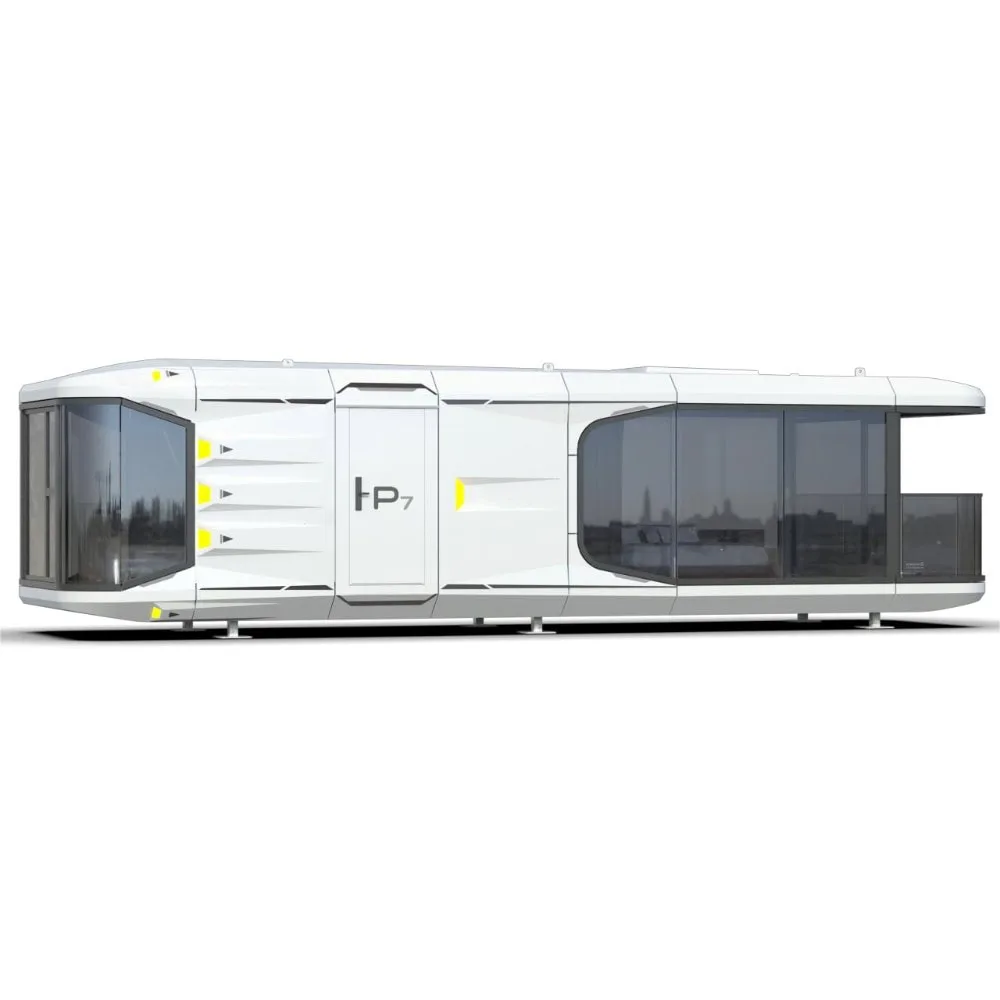
BIDUA P7 — Panoramic Grand
11.5 m panoramic suite for family stays
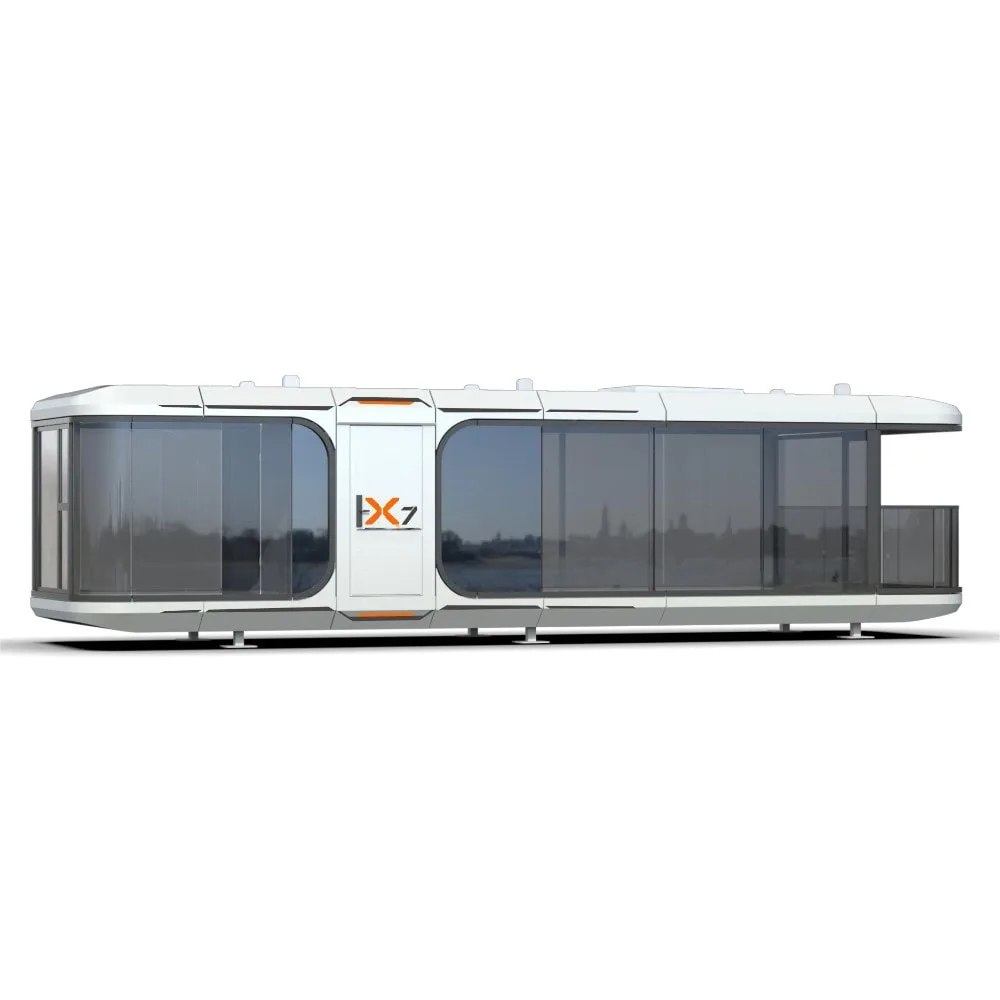
BIDUA X7 — Extended Smart Capsule
11.5 m extended smart capsule for premium stays
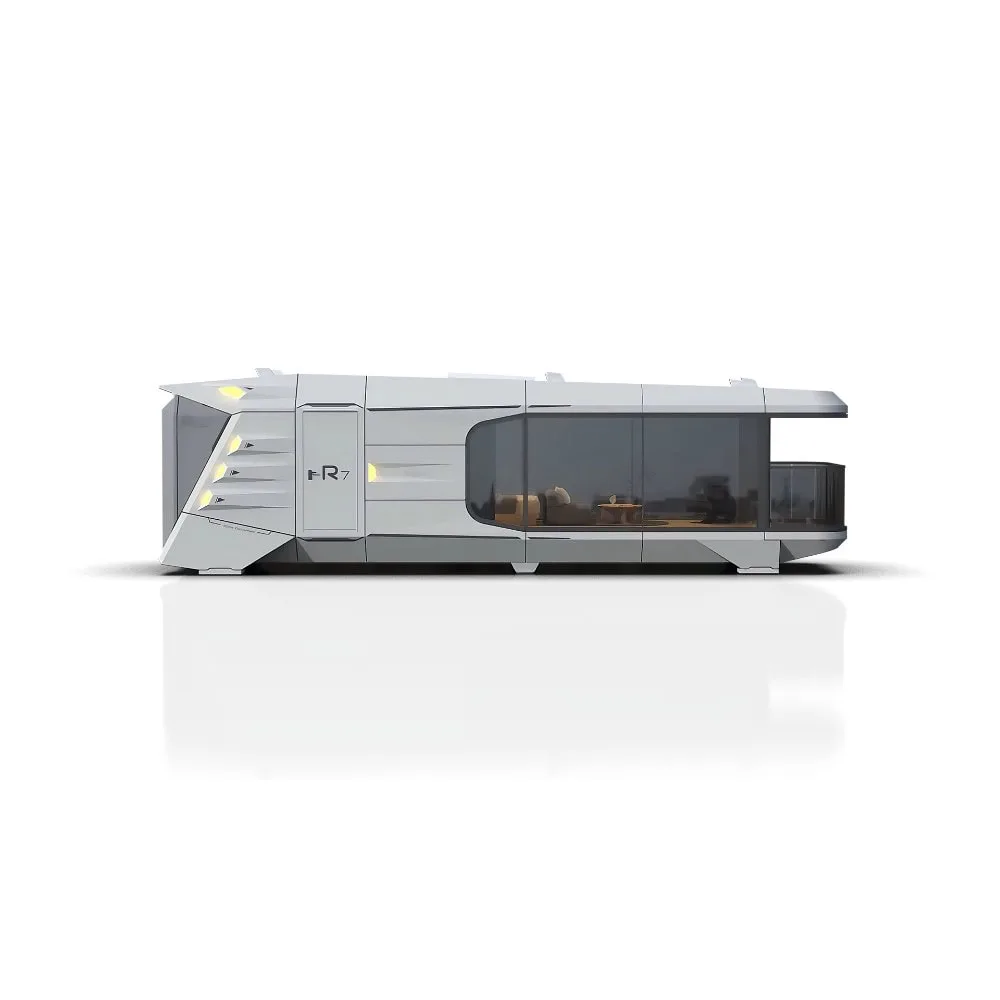
BIDUA R7 — Premium Grand
11.5 m premium capsule — flagship luxury
Frequently asked questions
Can capsule houses be used in government tourism projects?
They can be evaluated as prefab accommodation infrastructure subject to tender, technical, land-use, fire, accessibility and local approval requirements.
Are these suitable near pilgrimage destinations?
They may suit scenic or standalone hospitality plots around a pilgrimage circuit. For dense indoor budget rest, sleeping pods are usually the more space-efficient product.
Can BIDUA support site planning?
Yes. BIDUA can support model selection and concept-level placement using site dimensions, access, guest profile and utility information.
Why prefab for a destination project?
Off-site manufacture gives faster, quality-controlled, low-disturbance deployment — valuable at scenic or sensitive sites — and repeatable units simplify a multi-site rollout. This is the same rationale behind India's wider public-sector prefab adoption.
How is capacity phased against demand?
Production can be sequenced across batches so units are added as verified occupancy grows, keeping capital aligned with real visitor numbers rather than a forecast.
Explore capsule houses by use case
Get a site-specific Capsule House proposal
Share the delivery location, site access, number of units and target guest profile. The proposal can then separate product, tax, logistics and site requirements clearly.