Modern detached living
Prefab Capsule House Villas
Larger capsule-house models work as compact villas, weekend homes or premium guest suites where a modern exterior and factory-finished interior are preferred. The product is best treated as an engineered modular building project, with site access and local compliance checked before purchase.
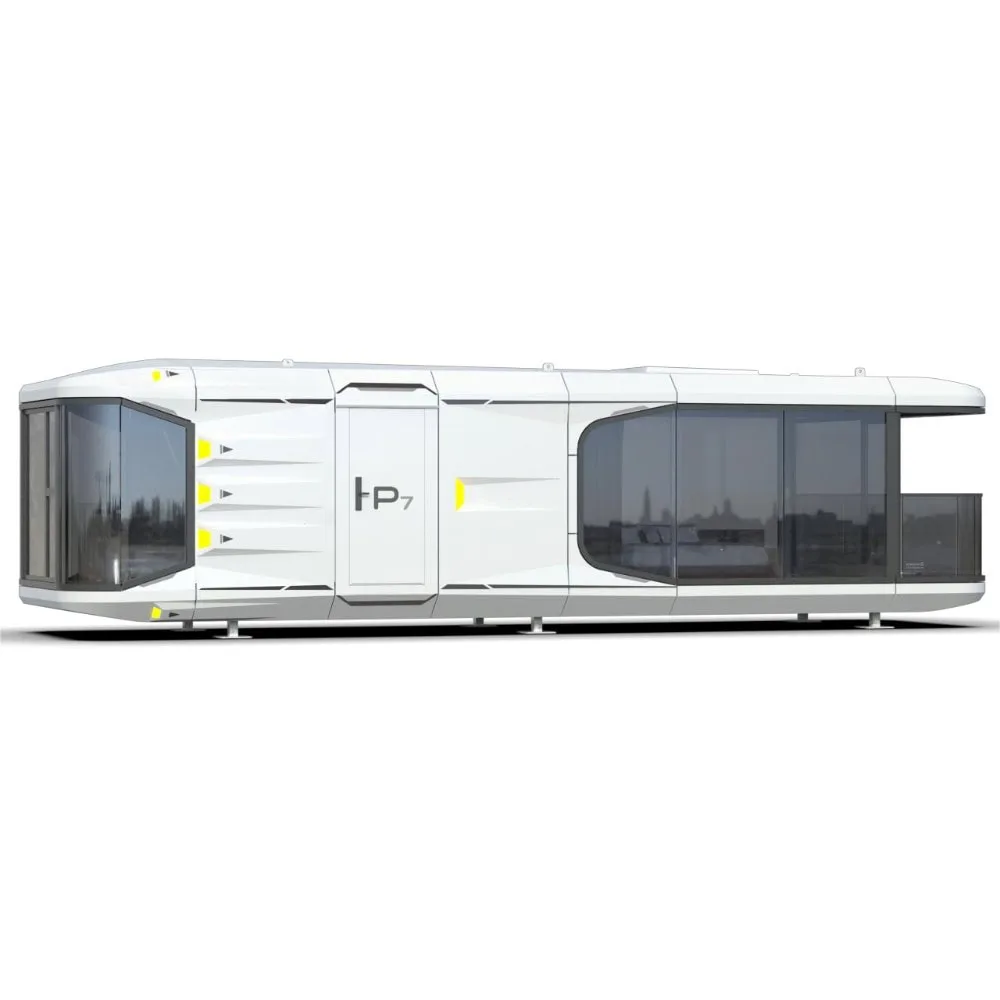
BIDUA P7 — Panoramic Grand
38 m² · 2-4 guests
For a plot of private land, a weekend-home dream or a managed-villa portfolio, the larger capsule-house models offer something conventional construction struggles to deliver in India: a genuinely modern, architectural building, finished to a consistent standard, ready in weeks. Treated properly — as an engineered modular building with real foundations, utilities and local approvals — a capsule villa is a fast, distinctive alternative to a slow custom build, and a relocatable asset rather than fixed concrete.
Two shifts are converging across India. Experiential, nature-led travel is now one of the fastest-growing accommodation segments, and prefabricated construction is scaling quickly as operators move away from slow, labour-heavy site builds. Government policy is pushing the same direction — the Draft National Strategy for Promotion of Rural Homestays proposes licensing exemptions, subsidies and a national booking portal, and states including Uttar Pradesh, Karnataka, Haryana and Chhattisgarh have rolled out dedicated homestay and rural-tourism policies. Factory-finished capsule houses sit exactly at this intersection: a photogenic, quick-to-deploy, relocatable room product for the new Indian traveller.
Who this solution is for
Private landowners, villa developers and managed-stay operators seeking a modern prefab format.
What the project includes
Model selection, technical review, commercial specification, logistics planning and site commissioning are coordinated against the actual delivery location and operating brief.
A modern building, without the multi-year build
Custom villa construction in India is slow, contractor-dependent and hard to keep on budget. A larger capsule model delivers a contemporary, architecturally distinctive building with a factory-controlled interior, placed on a prepared foundation in weeks. For a weekend home or a private guest suite, that means enjoying the property this season rather than managing a construction site for years — and the finish quality does not depend on which crew was available.
Treat it as an engineered building, not a caravan
The units have a long structural service life, but a capsule villa should be planned like any permanent building: verified land title and permitted use, a soil and foundation assessment, permanent utility connections and clear delivery and crane access to the plot. Legal treatment as a dwelling depends on local building and land-use rules, so obtain local professional advice before treating a capsule house as a permanent residence. Done properly, it combines architectural appeal with engineered durability.
Villas that can also earn
Because they are self-contained and distinctive, capsule villas double neatly as managed-stay assets. Owners who aren't using the property year-round can let it as a premium weekend or holiday rental, where the modern exterior and view-led design support a strong nightly rate. P7, F7, Z7 and R7 are among the larger, family-capable configurations; compare floor area, guest capacity and layout before selecting, and define the managed-stay operating model up front if letting is part of the plan.
Why it fits
- Distinctive contemporary architecture
- Self-contained couple and family layouts
- Factory-controlled fit and finish
- Weeks to deliver versus a long custom build
- Suitable for managed stays or private guest use
- Relocatable engineered modular asset
Plan before ordering
- 1Verify title, land use and building permissions
- 2Complete soil and foundation assessment
- 3Ensure delivery and crane access to the plot
- 4Plan permanent utilities and maintenance access
- 5Define managed-stay operations if let out
Recommended Capsule House models
These are practical starting points. Final selection should follow usable land, guest profile, access and target room rate.
BIDUA P7 — Panoramic Grand
11.5 m panoramic suite for family stays
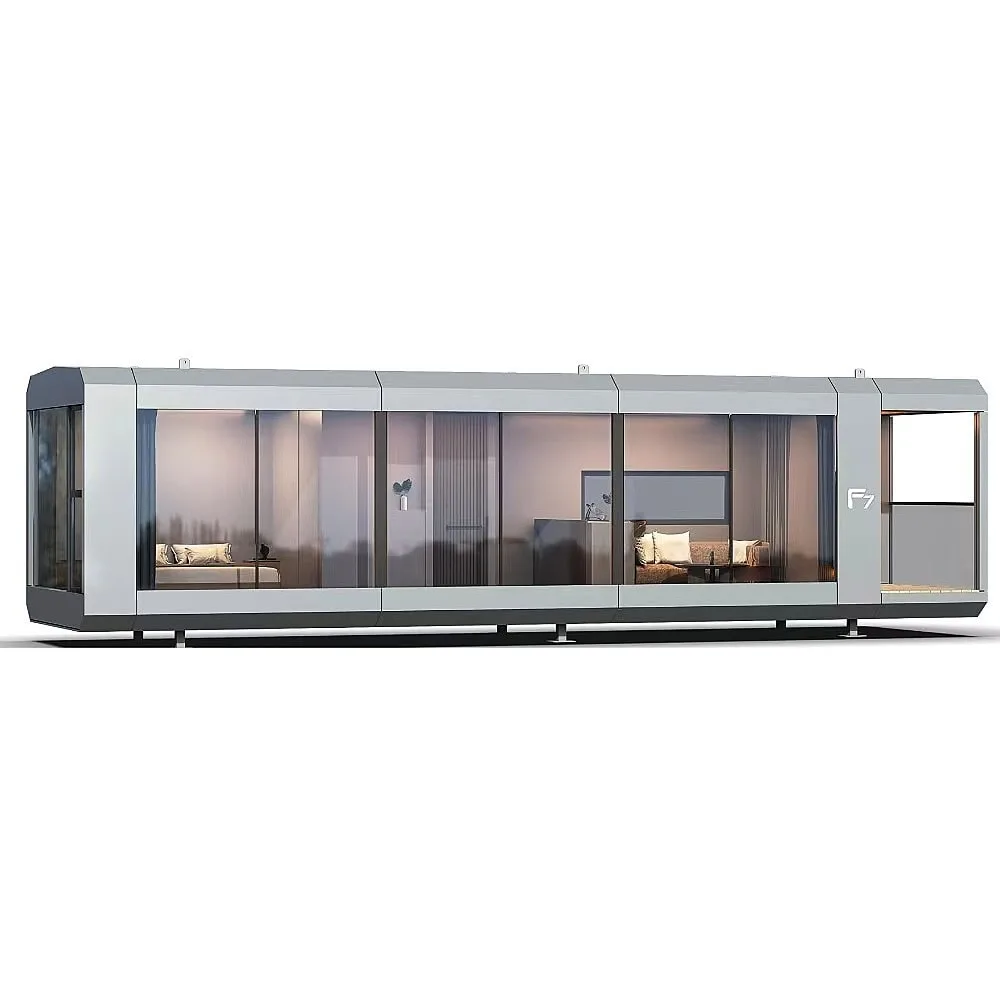
BIDUA F7 — Family Panoramic
11.5 m family capsule with wide panoramic frontage
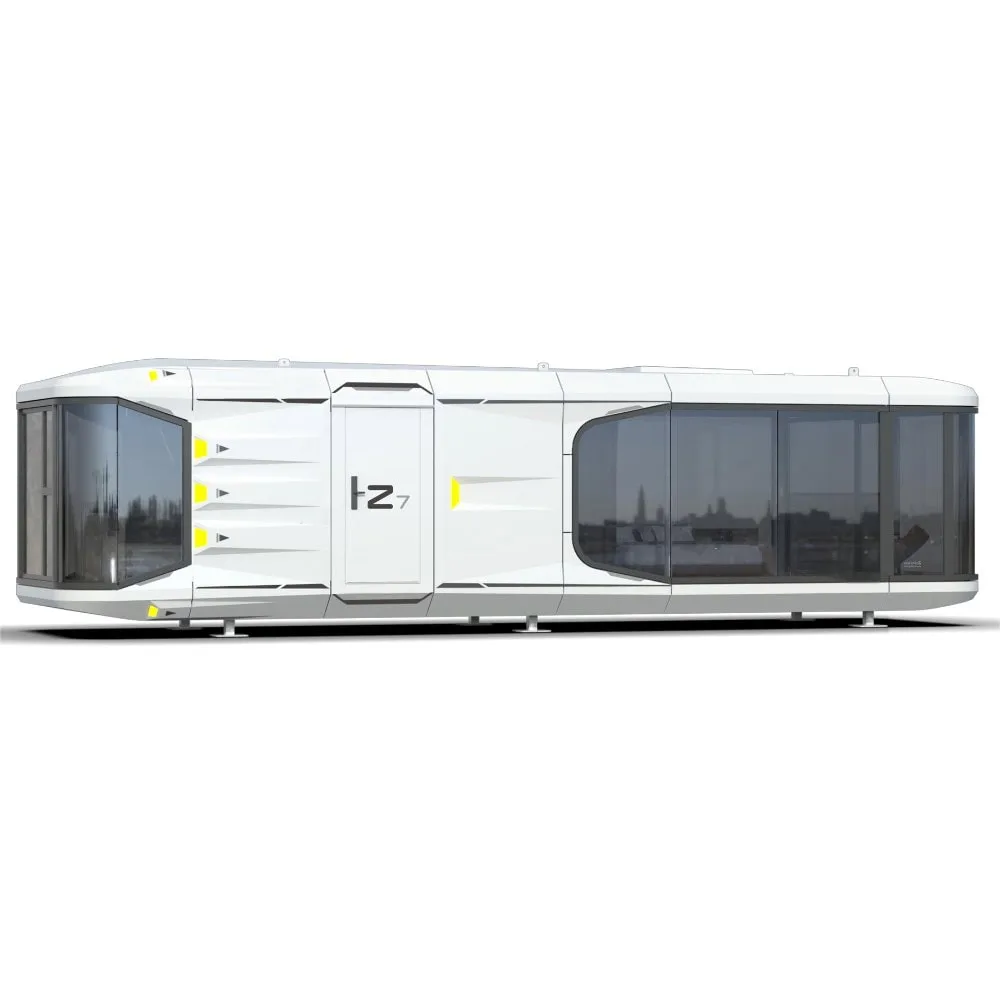
BIDUA Z7 — Loft Grand
11.5 m loft-style grand capsule
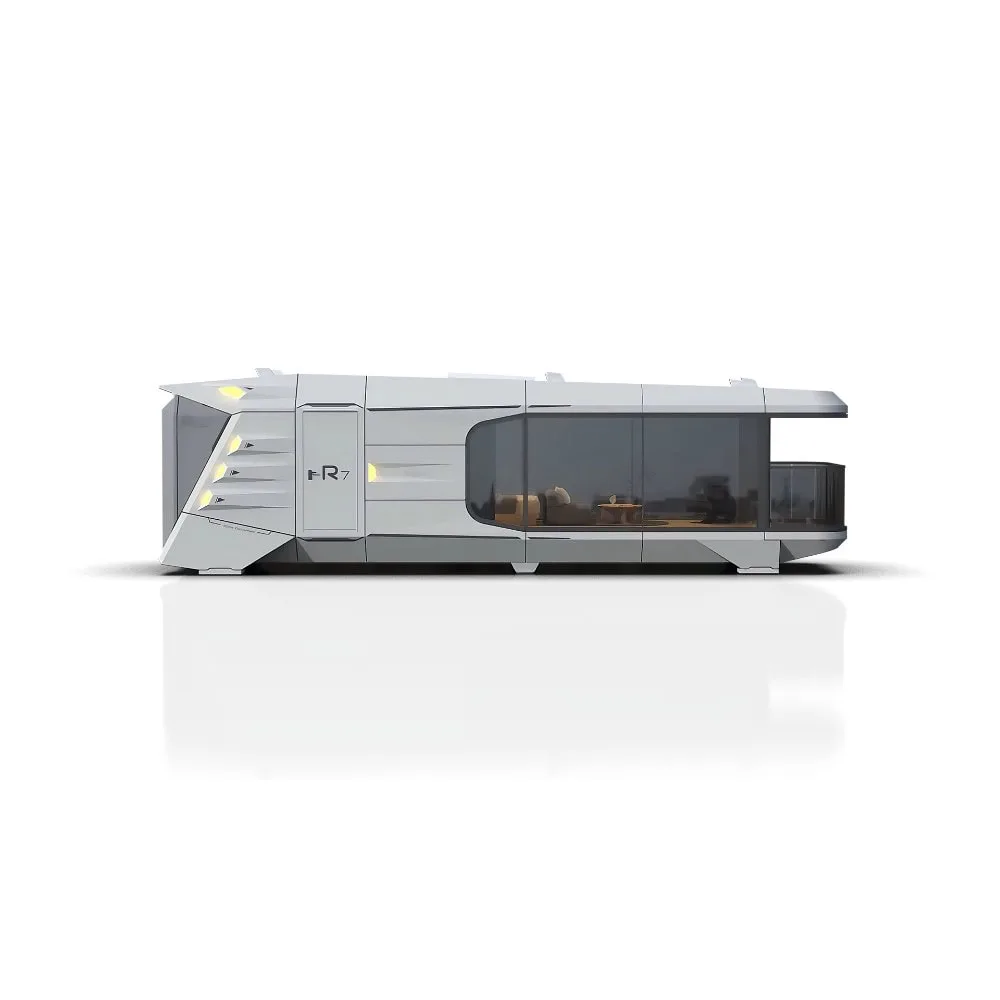
BIDUA R7 — Premium Grand
11.5 m premium capsule — flagship luxury
Frequently asked questions
Can a capsule house be used as a permanent home?
The structure has a long service life, but legal treatment depends on local building and land-use rules. Obtain local professional advice before treating it as a permanent residence.
Which models suit families?
P7, F7, Z7 and R7 are among the larger configurations. Compare floor area, guest capacity and layout before selecting.
Is furniture included?
Units are supplied substantially factory-finished, but the final furniture, appliance and fixture schedule is defined in the approved quotation and technical specification.
Can I rent out a capsule villa when not using it?
Yes — the self-contained, distinctive format suits premium weekend and holiday letting. If letting is planned, define the managed-stay operating model and local registrations up front.
What site work does a villa need?
Plan it as a permanent building: verified title and land use, a soil/foundation assessment, permanent utilities, maintenance access, and confirmed delivery and crane access to the plot.
Explore capsule houses by use case
Get a site-specific Capsule House proposal
Share the delivery location, site access, number of units and target guest profile. The proposal can then separate product, tax, logistics and site requirements clearly.