Monetise scenic rural land
Capsule Houses for Farmstays
Capsule houses allow farm owners to create bookable guest inventory around orchards, fields and rural experiences while keeping the accommodation footprint organised. Units can be placed in phases as demand grows and linked to shared reception, dining and activity zones.
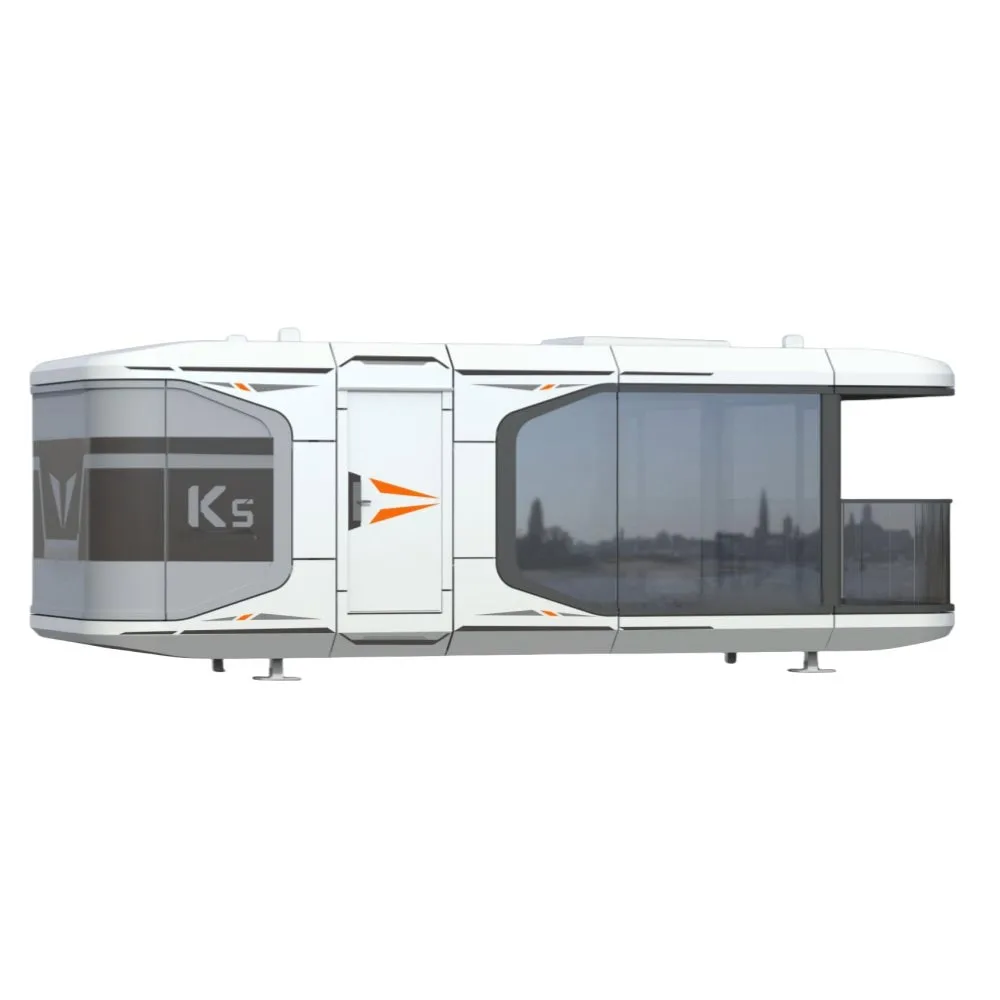
BIDUA K5 — Studio+ Capsule
27.2 m² · 2-2 guests
Agritourism and farmstays are a stated priority in India's rural-tourism push — states including Uttar Pradesh, Haryana and Chhattisgarh have rolled out policies specifically to help farmers earn from visitors, and the national rural-homestay strategy reinforces the trend. For a farm owner, the missing piece is comfortable, distinctive rooms that don't disturb the working land. Capsule houses place premium guest units at the orchard edge or field boundary, delivered finished and relocatable, so the farm can become a bookable destination in phases.
Two shifts are converging across India. Experiential, nature-led travel is now one of the fastest-growing accommodation segments, and prefabricated construction is scaling quickly as operators move away from slow, labour-heavy site builds. Government policy is pushing the same direction — the Draft National Strategy for Promotion of Rural Homestays proposes licensing exemptions, subsidies and a national booking portal, and states including Uttar Pradesh, Karnataka, Haryana and Chhattisgarh have rolled out dedicated homestay and rural-tourism policies. Factory-finished capsule houses sit exactly at this intersection: a photogenic, quick-to-deploy, relocatable room product for the new Indian traveller.
Who this solution is for
Farm, orchard, vineyard and rural-tourism owners building experiential stays.
What the project includes
Model selection, technical review, commercial specification, logistics planning and site commissioning are coordinated against the actual delivery location and operating brief.
Turn scenic land into bookable inventory
A working farm already owns the two things travellers now pay for — space and an authentic setting. What it usually lacks is comfortable, private, photogenic rooms. Dropping a small number of capsule units at the orchard edge or a field boundary converts idle scenic land into rentable inventory, without pouring permanent concrete across productive ground. Because the units are relocatable, the accommodation can move as the farm's layout or the tourism plan evolves.
Policy is actively backing agritourism
This is a rare case where regulation is pulling in the operator's favour. Multiple states have introduced farm-tourism and homestay policies to create rural employment and diversify farm income, and the national rural-tourism roadmap supports the same goal. Land-use and tourism permissions still vary by state and local authority, so permitted use must be verified before procurement or civil work — but the policy environment for a well-run farmstay has rarely been more supportive.
Plan the site around the farm, not against it
The key to a good farmstay layout is separating guest flow from farm operations. Choose all-weather access routes that don't cut through active fields, keep units clear of machinery and livestock, and plan water, wastewater and backup power for the guest cluster. Linking units to a shared reception, dining and activity zone lets you offer the farm experience — harvest walks, meals, bonfires — while the capsule houses provide the comfortable, private night's stay that earns the premium rate.
Why it fits
- Detached rooms placed close to the landscape
- Phased development as bookings grow
- Premium alternative to basic cottages
- Suitable for couple and family experiences
- Aligns with state agritourism / farm-tourism policy
- Relocatable as the farm layout evolves
Plan before ordering
- 1Select all-weather access routes
- 2Keep units clear of active farm operations
- 3Plan water, sewage and backup power
- 4Link units to shared dining / activity zones
- 5Map guest safety and night circulation
Recommended Capsule House models
These are practical starting points. Final selection should follow usable land, guest profile, access and target room rate.
BIDUA K5 — Studio+ Capsule
8.5 m studio+ for 2 guests with expanded living area
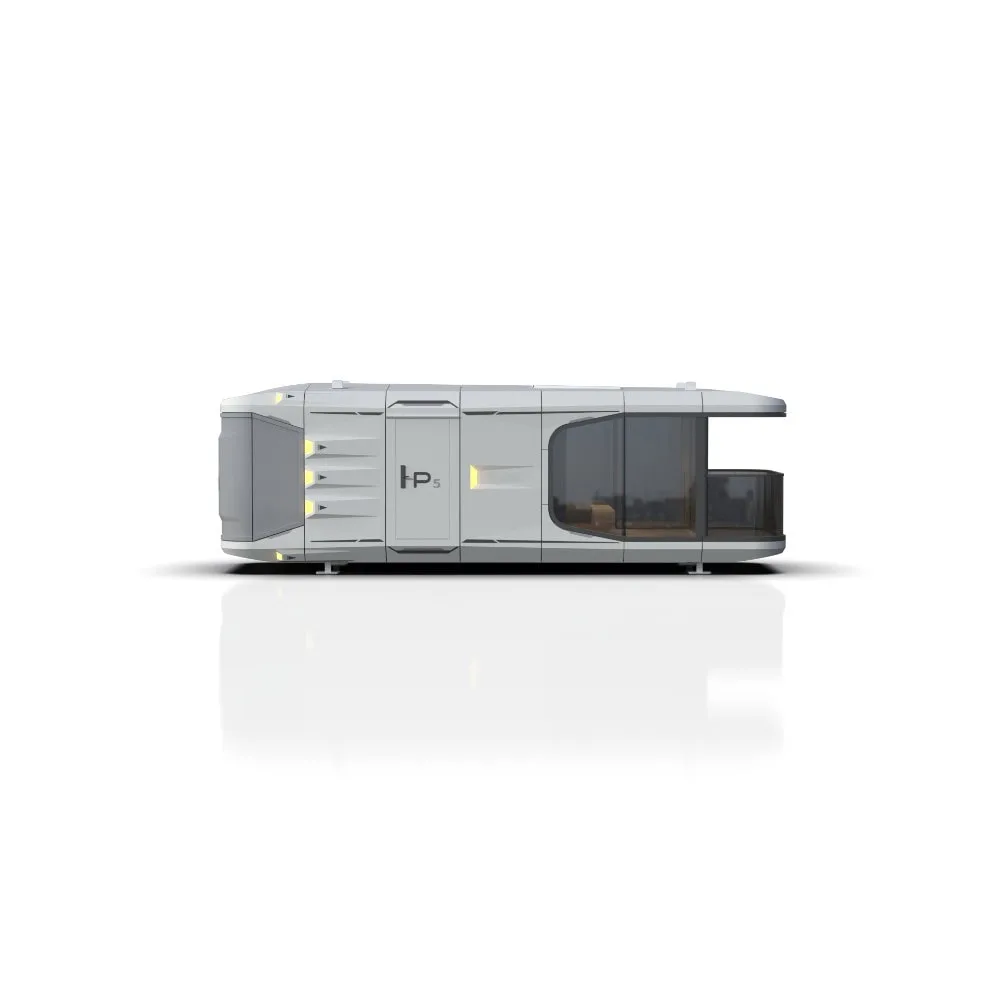
BIDUA P5 — Panoramic Suite
9.5 m panoramic single-family suite
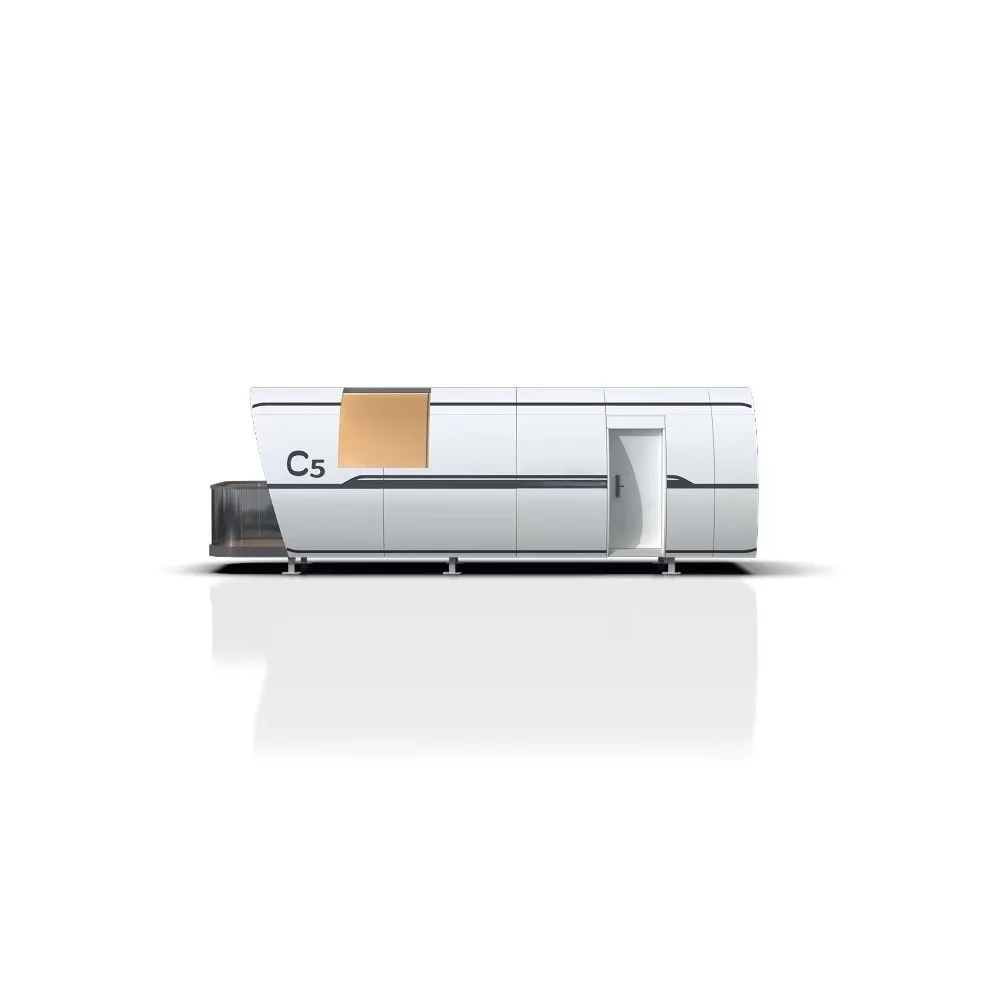
BIDUA C5 — Intelligent Cabin
9.2 m intelligent mobile cabin
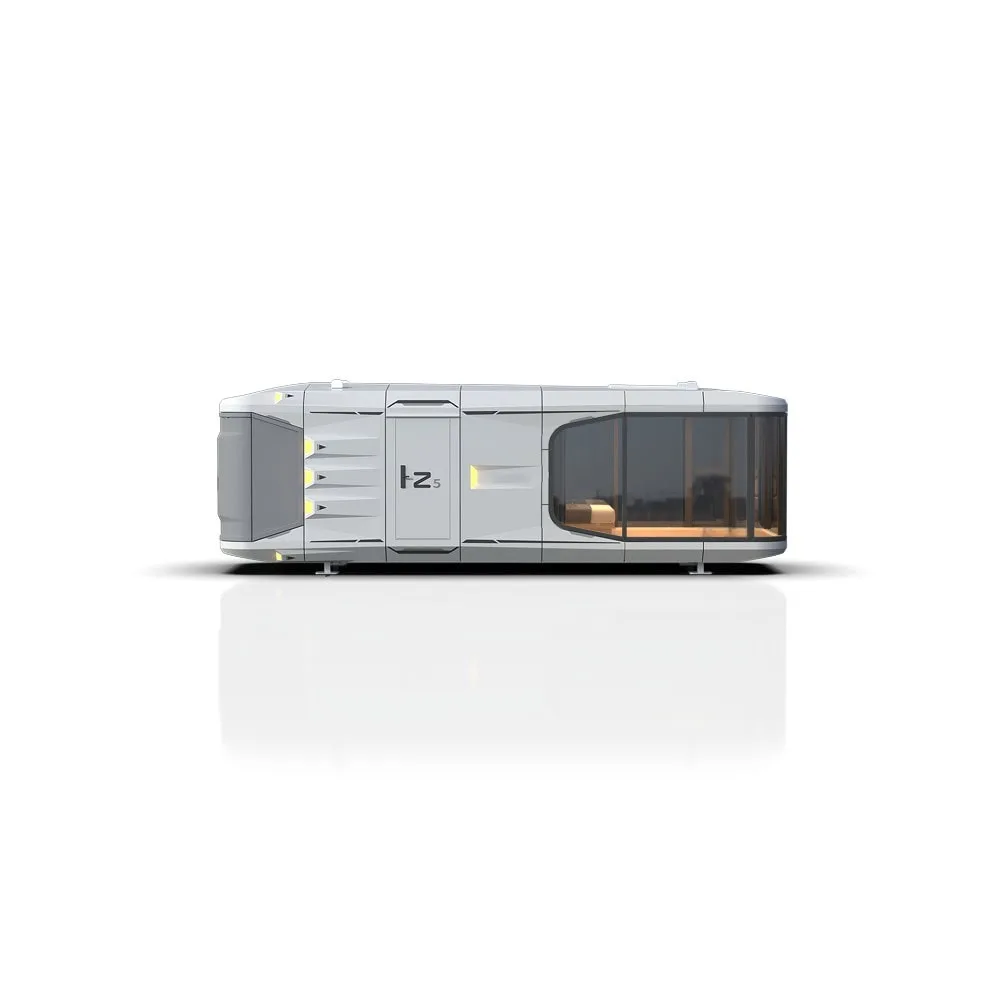
BIDUA Z5 — Loft Capsule
9.5 m loft-style capsule with skylight bedroom
Frequently asked questions
Can capsule houses be installed on agricultural land?
Land-use and tourism permissions vary by state and local authority. Verify permitted use before committing to procurement or civil work.
How many units should a farmstay start with?
The right first phase depends on access, utilities, operating capacity and demand. A small cluster can validate room rate and occupancy before expansion.
What site services are required?
Typical requirements include an engineered base, electrical supply, water, wastewater handling, drainage, road access and crane access.
Are there government schemes for farmstays?
Several states have farm-tourism and homestay policies aimed at rural employment and farm-income diversification, and national rural-tourism programmes support the sector. Eligibility and benefits differ by state — check your local policy.
Will guest activity disturb farm operations?
With planned separation of guest access, parking and circulation from working areas, the two coexist well. A shared activity zone can even turn farm operations into part of the paid experience.
Explore capsule houses by use case
Get a site-specific Capsule House proposal
Share the delivery location, site access, number of units and target guest profile. The proposal can then separate product, tax, logistics and site requirements clearly.