All-season nature accommodation
Capsule Houses for Glamping
For glamping operators, capsule houses provide a stronger, more private and more serviceable alternative to temporary tent inventory. Panoramic glazing and compact factory-finished interiors create a nature-led stay while retaining climate control, a private washroom and secure enclosure.
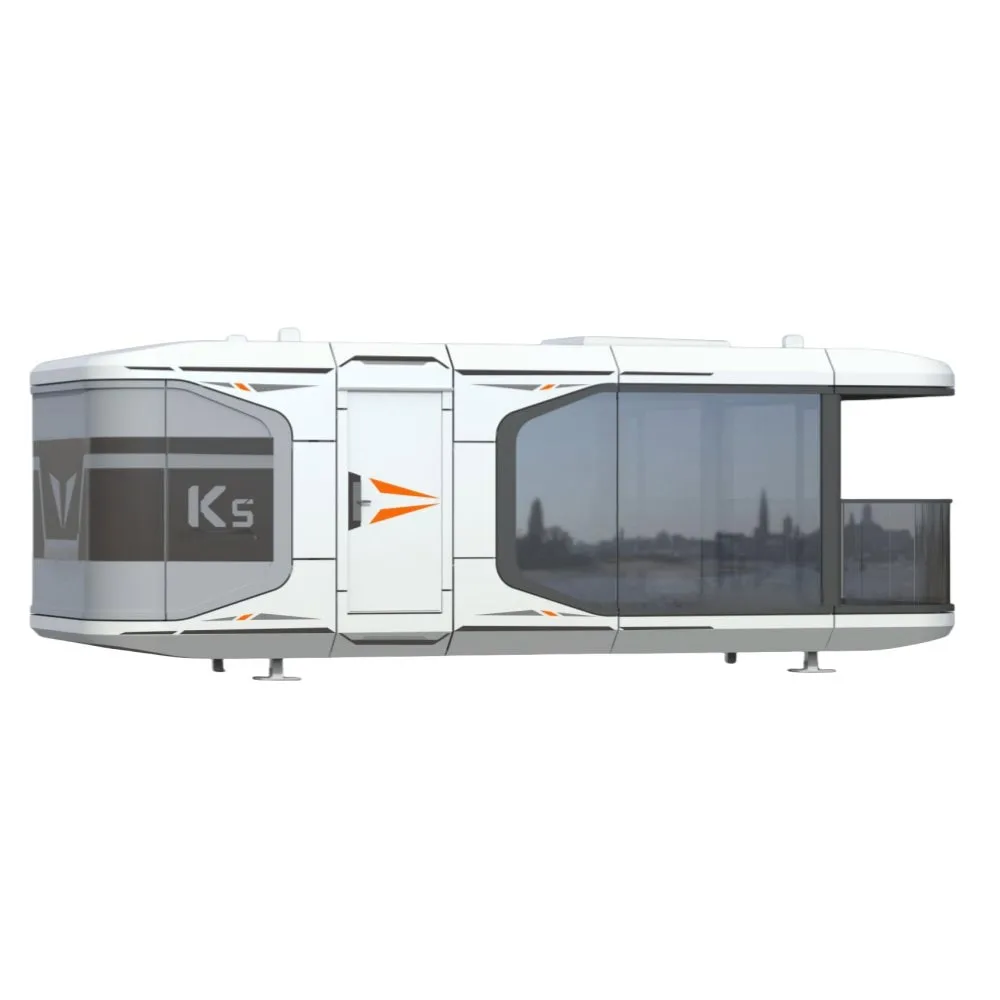
BIDUA K5 — Studio+ Capsule
27.2 m² · 2-2 guests
India's glamping and experiential-stay market is growing at roughly 11% a year and is projected to more than double this decade — driven by rising incomes, eco-conscious travel and social-media discovery. The hard part has always been the room product: tents degrade fast in Indian weather and cap the season, while cottages are slow and permanent. A capsule house keeps the nature-immersed feel of glamping — 360° glazing, a stay in the landscape — but adds a rigid, insulated, all-season shell with a private washroom and climate control. That combination is what turns a seasonal tent site into a year-round business.
Two shifts are converging across India. Experiential, nature-led travel is now one of the fastest-growing accommodation segments, and prefabricated construction is scaling quickly as operators move away from slow, labour-heavy site builds. Government policy is pushing the same direction — the Draft National Strategy for Promotion of Rural Homestays proposes licensing exemptions, subsidies and a national booking portal, and states including Uttar Pradesh, Karnataka, Haryana and Chhattisgarh have rolled out dedicated homestay and rural-tourism policies. Factory-finished capsule houses sit exactly at this intersection: a photogenic, quick-to-deploy, relocatable room product for the new Indian traveller.
Who this solution is for
Glamping, camping, eco-retreat and adventure-tourism operators seeking premium all-season units.
What the project includes
Model selection, technical review, commercial specification, logistics planning and site commissioning are coordinated against the actual delivery location and operating brief.
Why capsule houses beat tents on the numbers
Tents look cheap to start but carry hidden costs: seasonal downtime, weather damage, frequent replacement, and a ceiling on the nightly rate because the guest experience is fragile. A capsule house is a higher upfront investment that removes those drags — it runs in monsoon and winter, holds a premium rate because it feels like a design object, and lasts for years. Over a few seasons, an all-season unit that books at a higher rate for more nights of the year changes the economics of a glamping site entirely.
Siting for hills, forests, deserts and riverbanks
Glamping sites are rarely flat or serviced, so siting matters. On slopes, a pier or stilt foundation preserves the view and avoids heavy earthwork; near water, a detachable-cabin model simplifies placement; in cold hill stations, thicker insulation keeps the unit comfortable through winter. In every case, confirm the last-mile access for a delivery trailer and crane before you buy, orient the panoramic glazing toward the view, and plan a simple deck — it lifts both the guest experience and the rate.
Start small, prove the rate, then scale
Because the units are relocatable and drop onto light foundations, glamping is an ideal phased business. Start with two or three units on your best-view plots, list them on OTAs and Instagram, photograph them at golden hour, and hold rate. Once occupancy and shoulder-season demand are proven, add the next batch. This keeps capital disciplined and lets the site's own booking data — not a spreadsheet guess — drive expansion.
Why it fits
- Weather-protected, all-season private accommodation
- Premium visual identity for online discovery
- Climate control and private washrooms
- Relocatable format for phased or leased sites
- Higher, more stable rate than tent inventory
- Secure, lockable enclosure for guest confidence
Plan before ordering
- 1Assess terrain, drainage and wind exposure
- 2Orient the glazing to the best view
- 3Protect views without reducing privacy
- 4Plan low-impact utility routes and a deck
- 5Provide emergency and housekeeping access
Recommended Capsule House models
These are practical starting points. Final selection should follow usable land, guest profile, access and target room rate.
BIDUA K5 — Studio+ Capsule
8.5 m studio+ for 2 guests with expanded living area
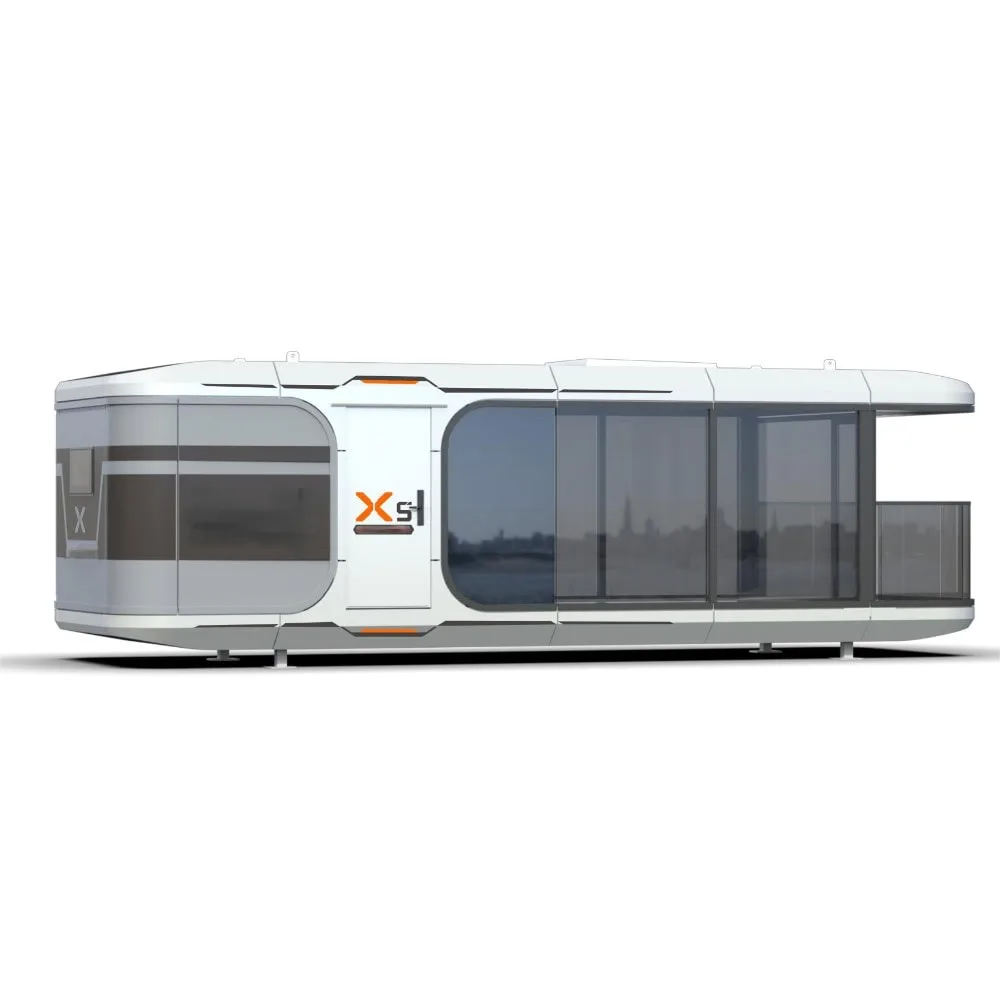
BIDUA X5 — Camping Smart Capsule
9.5 m intelligent-system camping capsule
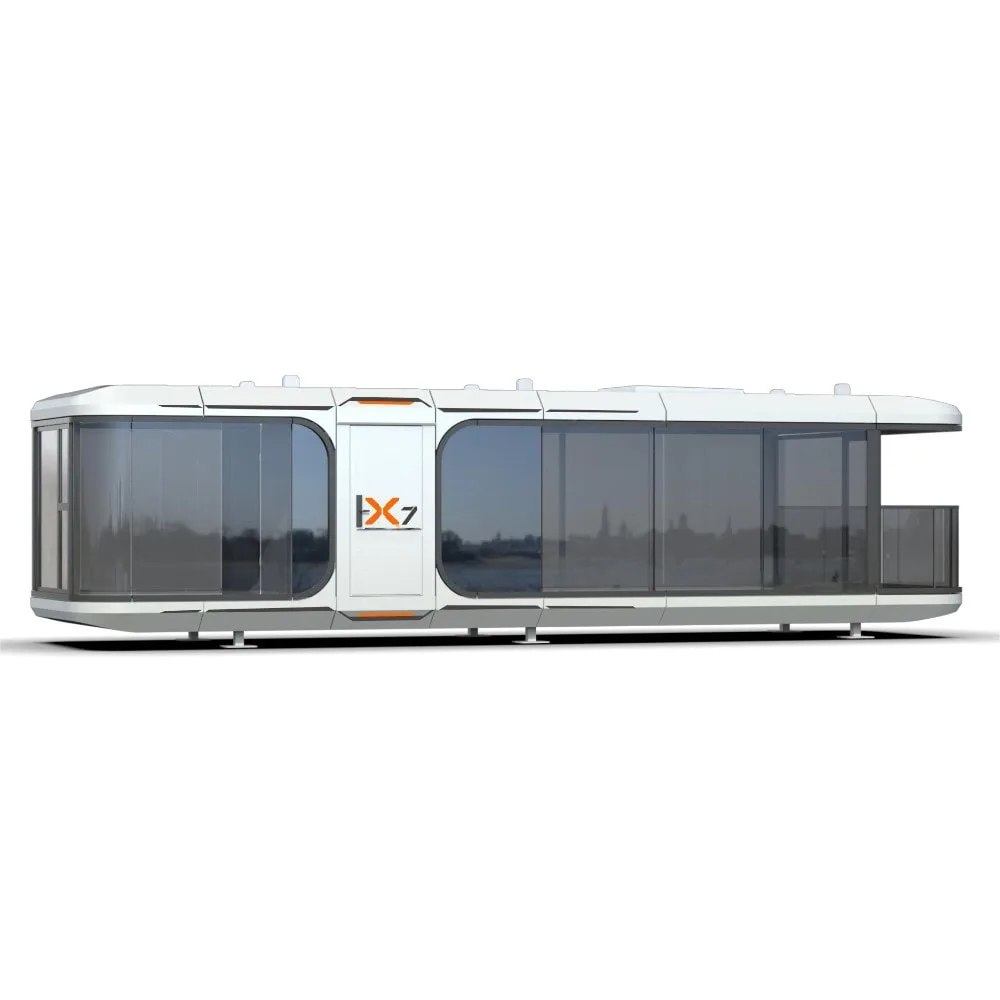
BIDUA X7 — Extended Smart Capsule
11.5 m extended smart capsule for premium stays
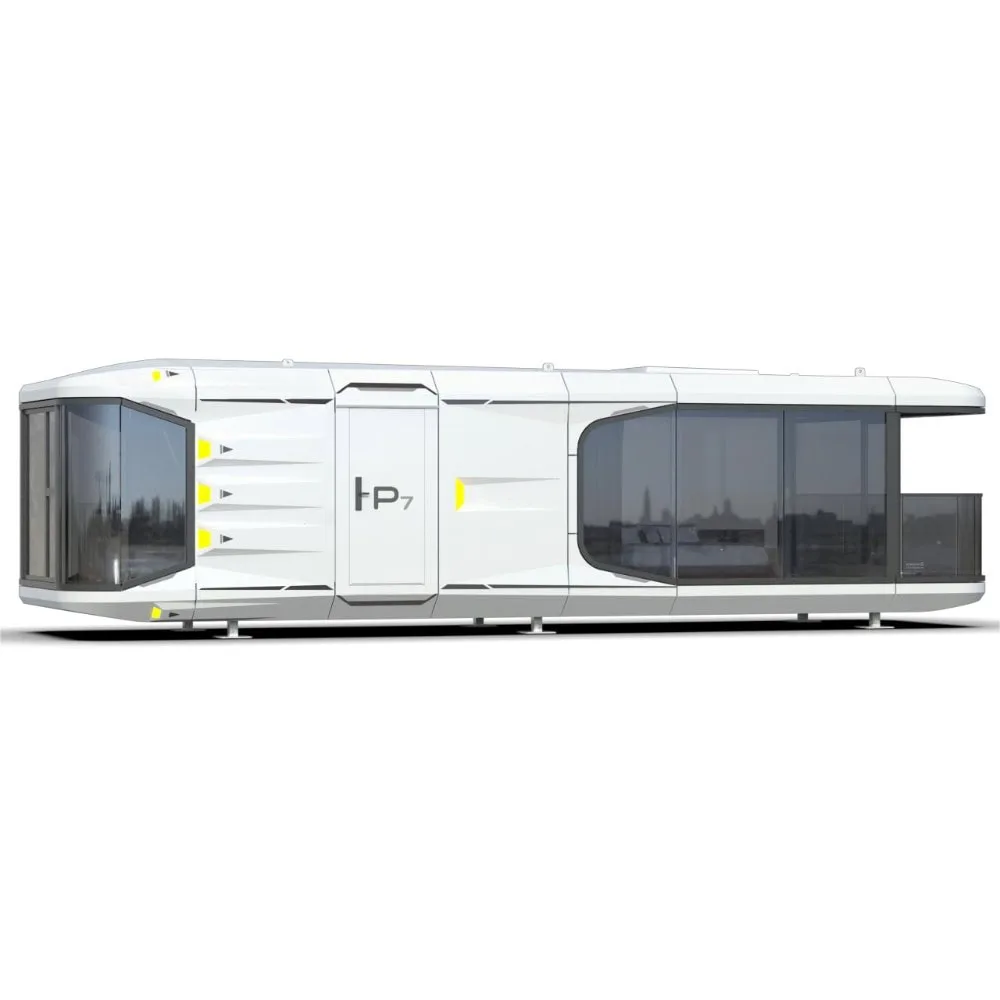
BIDUA R5 — Premium Capsule
Premium 30 m² luxury capsule with enhanced amenities
Frequently asked questions
Are capsule houses suitable for hill and forest sites?
Yes, when configured for the climate — but road access, crane reach, wind, drainage, insulation and local permissions must be validated before ordering.
How is a capsule house different from a tent?
A capsule house is a rigid, insulated, factory-finished unit with secure walls, glazing, climate control and integrated services. It needs more capex and logistics but delivers an all-season, higher-rate guest experience a tent cannot.
Can the units be relocated?
Many models are designed as relocatable modular units. Relocation still requires transport planning, crane handling and reconnection of utilities.
Do capsule houses work in the monsoon and winter?
Yes — that is a core advantage over tents. Insulated shells and LOW-E glazing keep them comfortable across seasons, extending your operating calendar and revenue.
How many glamping units should I start with?
A small first phase of two to three units lets you validate nightly rate and occupancy before committing to a larger fleet, which suits the phased, relocatable nature of the product.
Explore capsule houses by use case
Get a site-specific Capsule House proposal
Share the delivery location, site access, number of units and target guest profile. The proposal can then separate product, tax, logistics and site requirements clearly.