♻️ Environmental Impact: Sustainable Hospitality Through Design
Introduction: The Hospitality Sustainability Crisis
Traditional hotels consume 300% more resources per guest than sleeping pods. From water usage to energy consumption to carbon emissions, conventional hospitality is environmentally unsustainable.
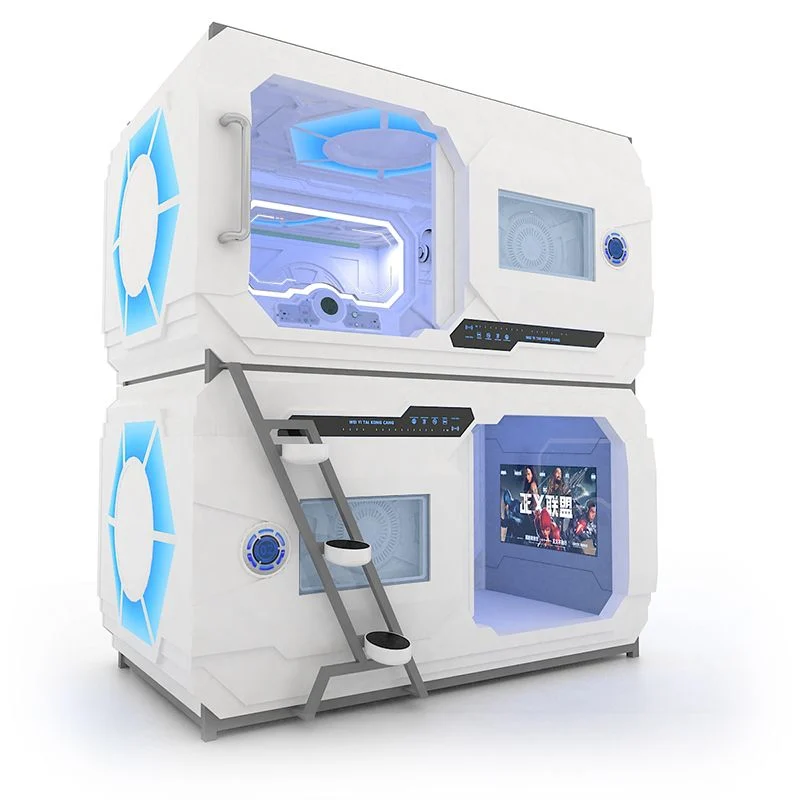
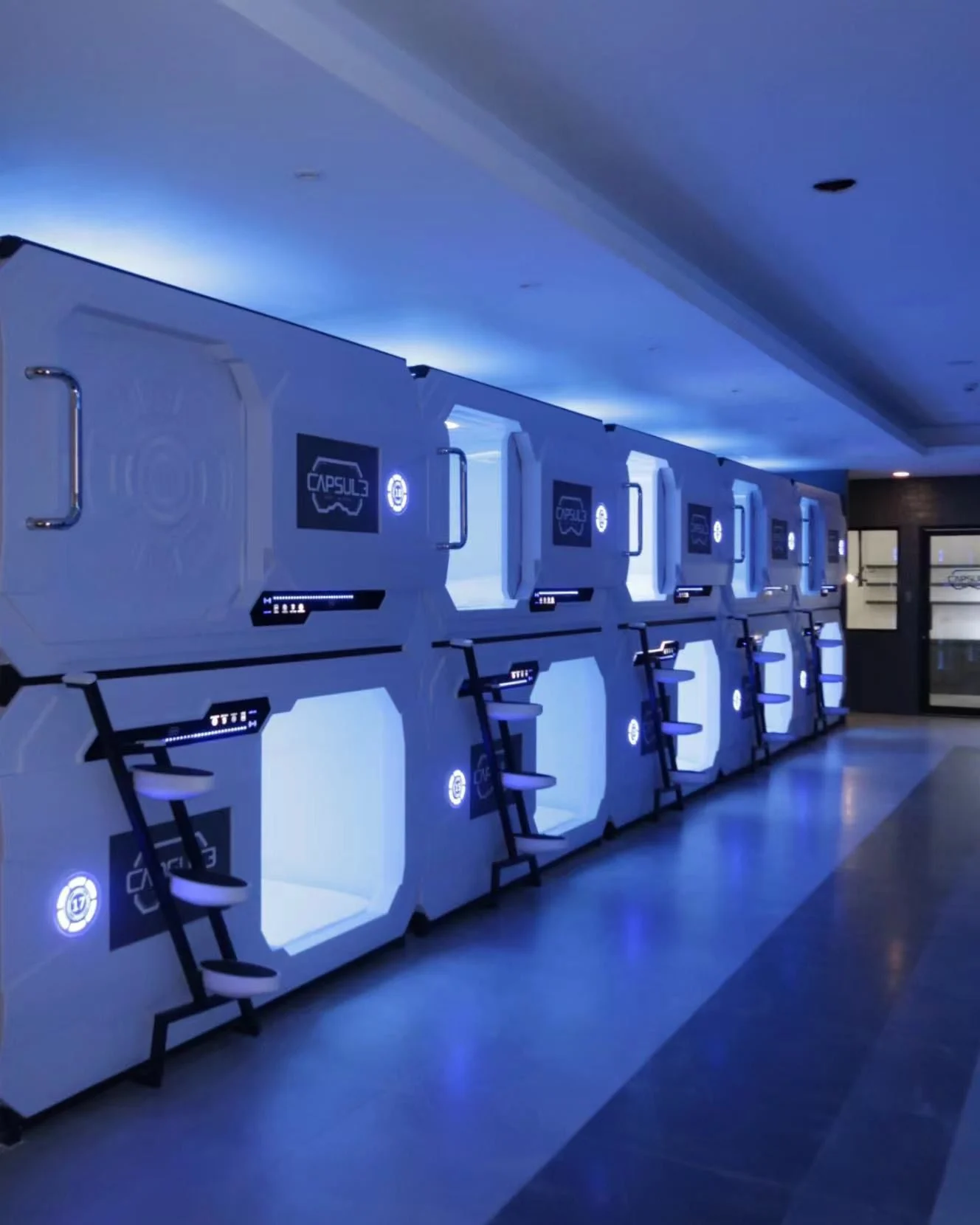
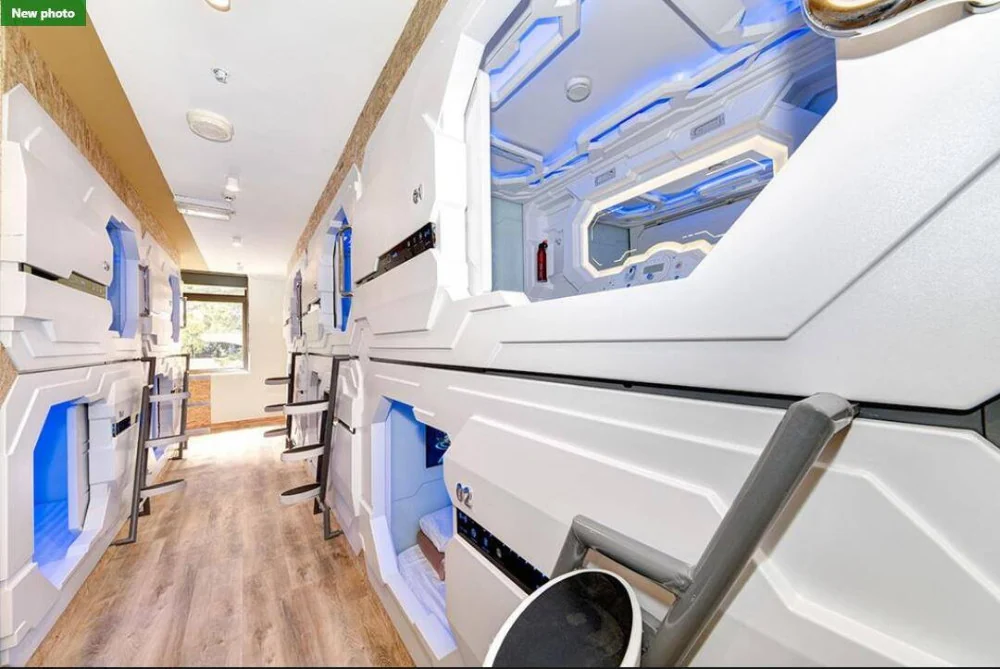
Sleeping pods represent a revolutionary shift toward sustainable, resource-efficient accommodation that reduces environmental impact while improving traveler experience.
📊 Environmental Impact Comparison
| Resource | Traditional Hotel (per guest/night) | Sleeping Pod (per guest/hour) | Annual CO₂ (1,000 guests) |
|---|---|---|---|
| Water Usage | 300-400 liters | 20-30 liters | 10,000 tons reduction |
| Energy | 25-30 kWh | 2-3 kWh | 8,000 tons CO₂ reduction |
| Land Required | 30-40 sq m | 2-3 sq m | 93% space savings |
| Waste Generated | 5-8 kg | 0.2-0.5 kg | 9,500 tons reduction |
✅ Sustainability Benefits
1. Resource Efficiency
- Water Saving: 85-90% reduction vs hotels
- Energy: 80-85% efficiency improvement
- Land Use: 90%+ space optimization
- Waste: 95% reduction in hospitality waste
- Carbon: 10,000+ tons CO₂ reduction annually
2. Eco-Tourism Support
- Natural Areas: Less land conversion required
- Wildlife Protection: Minimal habitat disruption
- Community Impact: Sustainable local employment
- Cultural Preservation: Less overtourism pressure
- Biodiversity: Protection of ecosystems
3. Climate Action
Emissions Reduction:
- Per guest: 85% lower carbon footprint
- Network-wide: Equivalent to 100,000 cars off roads
- Annual Impact: 5 Million tons CO₂ reduction potential
- Climate Target: Supports UN SDG 13 (Climate Action)
4. Circular Economy Integration
- Material Recycling: Pods use recycled materials
- Energy: Solar integration capabilities
- Water: Greywater recycling systems
- Waste: Minimal operational waste
- Longevity: 20-30 year lifespan
🌱 Global Environmental Context
Hotel Industry Impact:
- 5-10% of global energy consumption
- 1-3% of global water usage
- Significant carbon emissions contributor
- Major waste generation source
Sleeping Pod Alternative:
- Can reduce hotel impact by 80-90%
- Enables sustainable tourism scaling
- Supports climate action commitments
- Enables resource-constrained regions to hospitality
💰 Economic & Environmental Win
Cost-Benefit Analysis
Traditional Hotel Path:
- High resource consumption
- High operating costs
- High environmental damage
- Unsustainable long-term
Sleeping Pod Model:
- Minimal resource use
- Low operating costs
- Environmental protection
- Sustainable indefinitely
📈 Scaling Impact
Network Implementation
100-station network (3,000 pods):
- Water Savings: 10 Million liters/year
- Energy Savings: 20,000 MWh/year
- CO₂ Reduction: 10,000 tons/year
- Land Protected: 10,000+ hectares
- Equivalent: 2,000 cars off roads
✅ Advantages (4 Major)
- Environmental Protection: 80-90% resource reduction
- Climate Impact: Significant CO₂ reduction
- Economic: Lower costs enable affordability
- Sustainability: Indefinitely scalable model
Conclusion: Building Green
Sleeping pods aren't just business—they're environmental imperative for sustainable tourism and hospitality growth.
Let's build a hospitality industry that protects, not destroys.
Keywords: sustainable hospitality, eco-friendly accommodation, environmental impact, green tourism
Related capsule pod hotel keywords
These related phrases help buyers compare capsule hotels, pod hotels, sleep pods and compact smart-stay formats for hospitality, transit, hostel, office and hospital projects.
Popular discovery phrases: sleeping in a drawer, futuristic sleep, nook and cranny comfort.
About Sustainability & Environmental Impact Expert
Green Hospitality & Sustainability Consultant
Sustainability & Environmental Impact Expert is an expert in the sleeping pod and hospitality industry, with extensive experience in product development and market analysis.