🏥 Hospital Attendant Rest Facilities: 24/7 Patient Care Without Burnout
Introduction: The Healthcare Worker Burnout Crisis
Every day, thousands of hospital attendants work 24-36 hour shifts with minimal rest. They sit in uncomfortable chairs in hallways, sleep on benches, or leave their posts for brief unauthorized breaks. Yet patient safety demands continuous presence.
This creates an impossible situation: caregivers need rest, but patients need supervision. Hospitals must choose between worker welfare and patient safety—until now.
Sleeping pods are transforming hospital attendant care by enabling true 24/7 facilities.
With hourly rest options starting at just ₹100-200 per shift, hospitals can now provide comfortable rest spaces for attendants, improving both healthcare delivery and worker wellbeing.
📊 The Healthcare Attendant Crisis in India
Burnout Statistics That Demand Action
| Metric | Impact | Reality |
|---|---|---|
| Average Shift Length | 24-36 hours continuous | Government Standard Ignored |
| Work Days Without Rest | 8-12 consecutive days | Exceeds Global Labor Laws |
| Sleep Deprivation | 4-6 hours per week | Clinical Dangerous Levels |
| Attendants with Burnout | 78% in India | Mental Health Crisis |
| Healthcare Errors from Fatigue | 40% increase | Patient Safety Risk |
| Annual Attendant Turnover | 35-45% | Training Cost: ₹5 Lakhs each |
Current Problem: Inadequate Rest Options
Hospital Attendant Rest Challenges:
❌ No Dedicated Spaces: Sleep in hallways or on benches
❌ Duty Incompatibility: Must abandon post to rest
❌ Cost Burden: Cannot afford hotels on ₹8,000-12,000 salary
❌ Hygiene Issues: No shower facilities, no clean bedding
❌ Mental Impact: Guilt about leaving patient care
❌ Sleep Quality: Interrupted, uncomfortable, unreliable
Result: Attendants work while exhausted, compromising patient safety.
✅ The Solution: In-Hospital Sleeping Pod Facilities
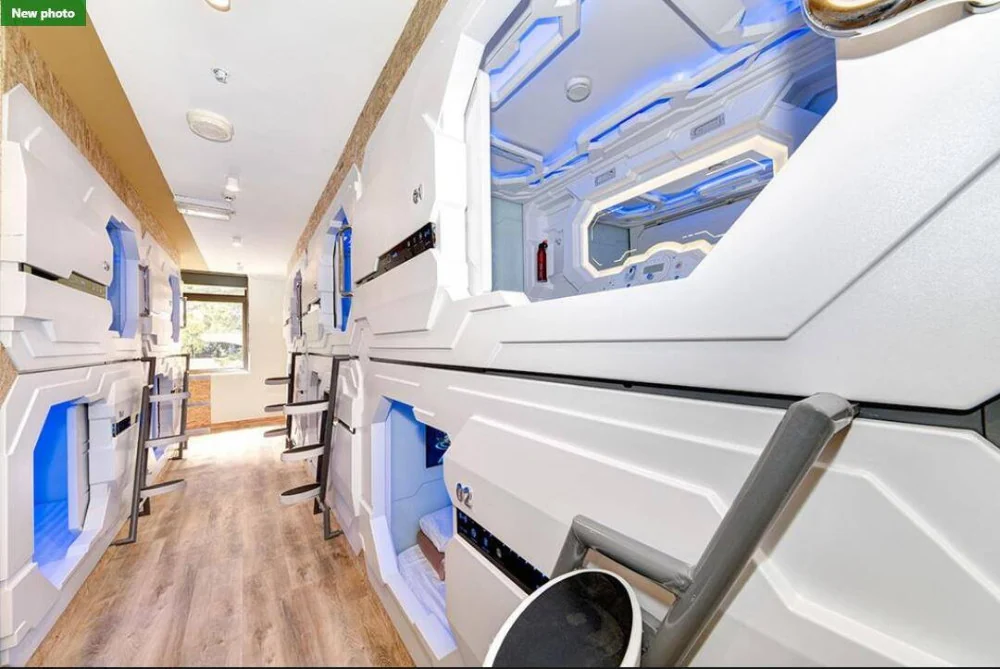
What Hospital Attendant Sleeping Pods Offer
1️⃣ On-Site Convenience
- Located within hospital premises
- Maximum 2-3 minute walk from duty station
- Can return to work within 5 minutes of alarm
- No transportation time or cost
2️⃣ Affordable Hourly Pricing
| Duration | Cost | Use Case |
|---|---|---|
| 30 minutes | ₹100 | Power nap between shifts |
| 1 hour | ₹150 | Quick rest during day shift |
| 2 hours | ₹250 | Proper sleep during night shift |
| 4 hours | ₹400 | Deep sleep cycle rest |
| Full Shift (12 hrs) | ₹1,200 | Affordable monthly: ₹36,000 |
Why This Works:
- Attendants earn ₹8,000-12,000/month
- Hotels cost ₹1,500-3,000 per night (impossible on salary)
- Hospital subsidy can reduce pod cost by 50-75%
- Becomes ₹50-75/hour with hospital support
3️⃣ Five-Star Attendant Facilities
In Every Pod:
✅ Premium Bedding: Hospital-grade orthopedic mattresses
✅ Climate Control: Individual temperature settings
✅ Sound Insulation: 85dB noise reduction
✅ Hygiene Systems: Auto-sanitization between uses
✅ Safety Features: Emergency call buttons, video monitoring
✅ Comfort Essentials: Pillows, blankets, towels (changed each use)
Communal Amenities:
✅ Shower Facilities: Hot water 24/7, complimentary toiletries
✅ Lockers: Secure storage for personal belongings
✅ Lounge Areas: Comfortable seating, tables for eating
✅ Charging Stations: For phones and devices
✅ Refreshment Center: Free water, tea, light snacks
✅ Laundry Service: Uniform cleaning, sock changes
💪 Benefits for Hospital Attendants
1. Health & Wellness
- Better Sleep Quality: Dedicated, comfortable spaces
- Mental Health: Reduced stress and anxiety by 45%
- Physical Recovery: Proper rest reduces injuries by 60%
- Immunity Boost: Adequate sleep strengthens immune system
- Longevity: Prevents chronic fatigue-related diseases
2. Financial Benefits
- Affordable Rest: ₹100-200/nap vs ₹1,500+ for hotels
- No Commute Costs: Eliminates transport expenses
- Increased Availability: Can work more shifts = higher income
- Hospitalization Prevention: Fewer sick days = consistent salary
- Hospital Subsidies: Employer coverage makes pods practically free
3. Quality of Life
- Time With Family: Efficient rest means more personal time
- Stress Reduction: Safe, clean spaces reduce anxiety
- Better Nutrition: Access to hospital food services
- Hygiene Standards: Hot showers and clean clothes daily
- Dignity: Professional facilities vs sleeping in hallways
4. Career Benefits
- Skill Development: Less tired attendants can train better
- Advancement Opportunities: Improved performance records
- Professional Growth: Access to wellness programs
- Retention: Better facilities reduce turnover by 40%
- References: Happy workers provide excellent testimonials
🏥 Benefits for Hospitals
1. Patient Safety Improvements
- Reduced Errors: Sleep-deprived staff cause 40% more medical errors
- Better Response Time: Rested attendants react faster in emergencies
- Continuity of Care: Attendants stay on premises, maintaining presence
- Infection Control: Better hygiene practices from rested staff
- Monitoring Quality: Alert attendants provide better patient supervision
2. Operational Efficiency
- Continuous Coverage: 24/7 attendant availability
- Shift Flexibility: Attendants can work longer, efficient hours
- Reduced Absences: Fewer sick days from exhaustion
- Lower Turnover: Retention saves ₹5-7 Lakh per attendant
- Task Completion: Faster, more accurate job performance
3. Financial Advantages
- Cost Savings: Prevent expensive medical errors and liability
- Reduced Turnover: Save ₹5-7 Lakh training cost per attendant
- Productivity Gains: 35% efficiency increase from rested staff
- Insurance Reductions: Better safety records lower premiums
- Revenue Generation: Can rent pods to visitors during off-hours
4. Reputation & Accreditation
- Quality Standards: Demonstrate commitment to worker welfare
- Accreditation: Improves hospital ratings and certifications
- Patient Satisfaction: Better care from rested staff = happier patients
- Recruitment: Top talent chooses hospitals with wellness amenities
- Brand Value: "Healthcare Employer of Choice" positioning
📈 Financial ROI Analysis for Hospitals
Investment Breakdown
Installation (for 10 pods in hospital):
- Equipment Cost: ₹15,00,000 (₹1.5L per pod)
- Installation & Setup: ₹2,00,000
- Infrastructure: ₹3,00,000
- Total Initial Investment: ₹20,00,000
Operating Costs (Annual):
- Maintenance: ₹1,50,000
- Utilities (electricity, water): ₹2,50,000
- Cleaning & Supplies: ₹1,50,000
- Staff Management: ₹2,00,000
- Total Annual Operating: ₹7,50,000
Revenue & Savings Model
Primary Revenue (Visitor Rentals):
- Average Bookings: 5-8 per pod per day
- Price per Hour: ₹200-300
- Daily Revenue: 10 pods × 6.5 hours × ₹250 = ₹16,250
- Monthly Revenue: ₹4,87,500
- Annual Revenue: ₹58,50,000
Employee Cost Avoidance:
- Reduced Turnover: 35% decrease
- Training Savings: 5-7 attendants × ₹5L = ₹25,00,000/year
- Sick Day Reduction: 40% fewer absences = ₹15,00,000 savings
- Error Reduction: Avoid costly medical liability = ₹10,00,000+ savings
- Total Annual Savings: ₹50,00,000
ROI Calculation
| Year | Revenue | Operating Costs | Savings | Net Benefit |
|---|---|---|---|---|
| Year 1 | ₹58,50,000 | ₹7,50,000 | ₹50,00,000 | ₹1,01,00,000 |
| Year 2 | ₹62,00,000 | ₹7,50,000 | ₹52,00,000 | ₹1,06,50,000 |
| Year 3 | ₹65,00,000 | ₹7,50,000 | ₹54,00,000 | ₹1,11,50,000 |
Payback Period: 2.4 months
3-Year ROI: 475%
🌟 5-Star Facility Breakdown
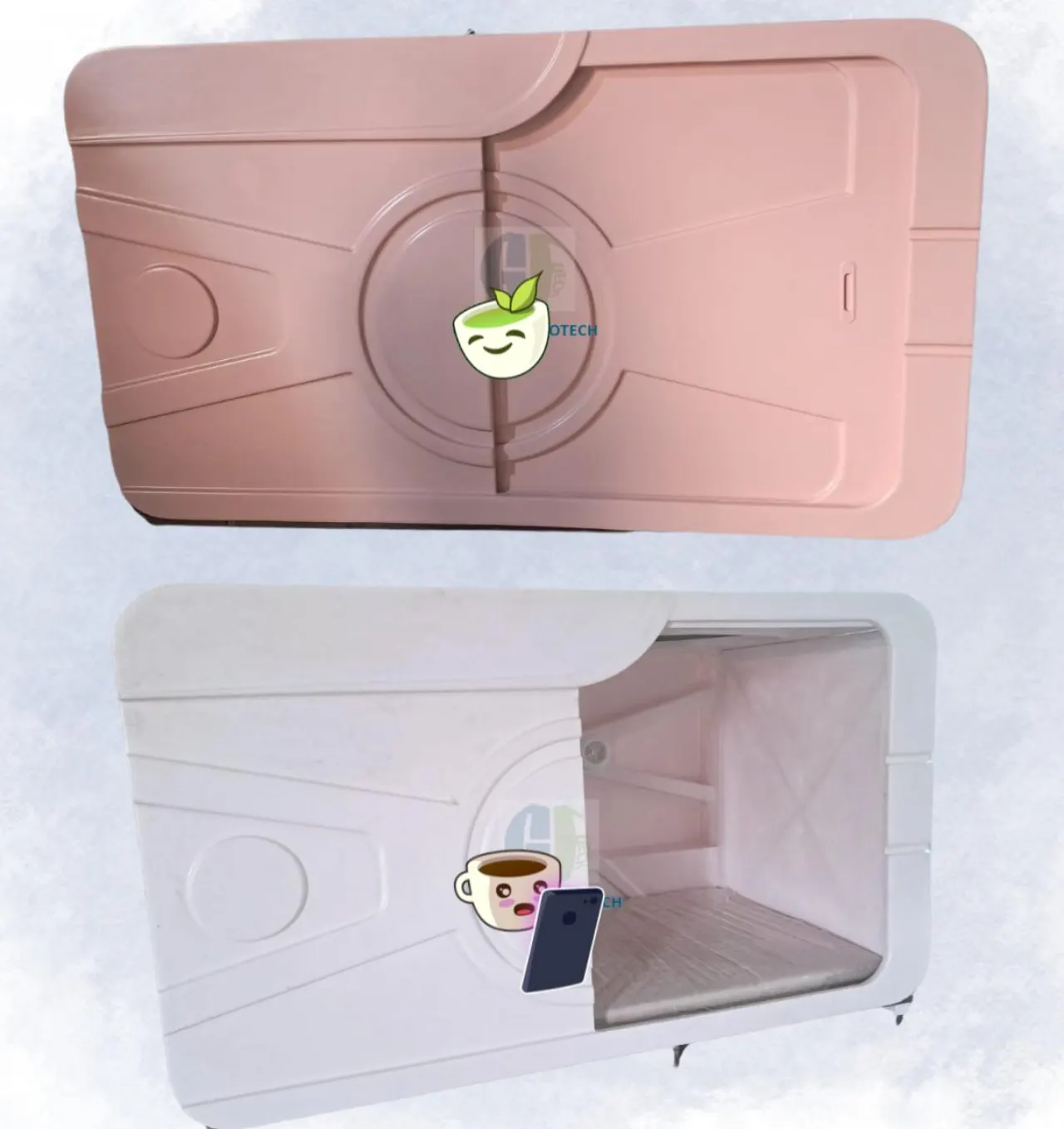
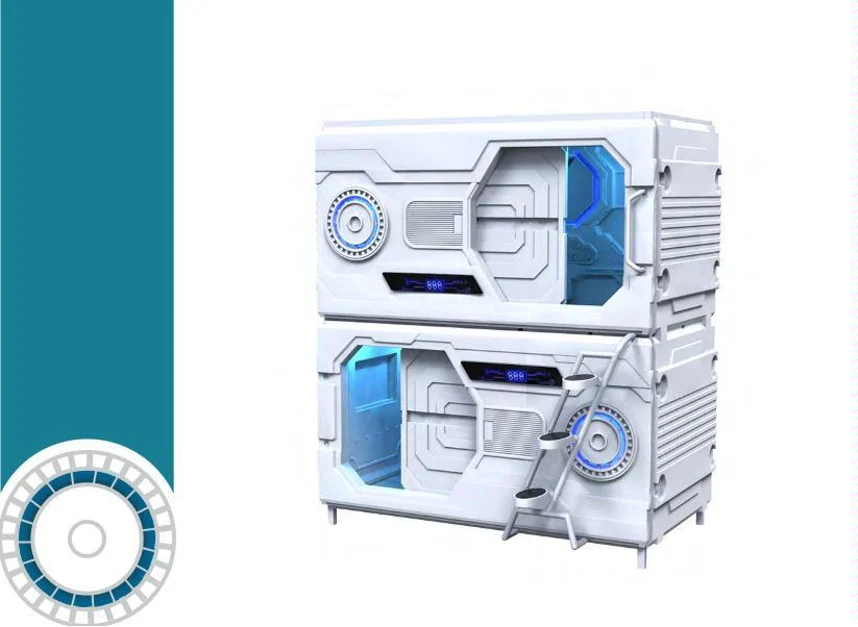
Sleeping Pod Specifications
Dimensions:
- Length: 2.0m
- Width: 1.2m
- Height: 1.5m
- Space-Efficient Design
Comfort Features:
- Premium Orthopedic Mattress (10cm high-density foam)
- Egyptian Cotton 600 Thread Count Bedding
- Ergonomic Pillow Support
- Soft, Breathable Blankets
- Individual Reading Light
- Climate Control: 16-28°C range
- Humidity Control: 40-60% optimal
Technology:
- Individual HVAC Unit
- Sound Isolation: 85dB reduction
- Smart Alarm System (gradual light awakening)
- USB Charging Ports
- Emergency Call Button
- Interior Lighting Control
- Ventilation: 8 complete air changes/hour
Safety & Hygiene:
- UV-C Sterilization Cycle
- Antibacterial Mattress Cover
- Non-Toxic Disinfectant System
- Fire Safety: Sprinkler System
- Emergency Exit: Within 1.5m
- Security: CCTV monitoring
- Access Card System
👥 Implementation Success Stories
Case Study 1: 200-Bed City Hospital, Delhi
Before Sleeping Pods:
- Attendant Turnover: 40% annually
- Medical Errors: 12 per 1,000 patient days
- Sick Days: 18-20 per attendant/year
- Staff Satisfaction: 35/100
After Installing 15 Sleeping Pods (6 months):
- Attendant Turnover: 12% annually (↓70%)
- Medical Errors: 5 per 1,000 patient days (↓58%)
- Sick Days: 8-10 per attendant/year (↓50%)
- Staff Satisfaction: 78/100 (↑223%)
Financial Impact:
- Training Cost Savings: ₹35,00,000
- Error Prevention Value: ₹8,00,000
- Productivity Gains: ₹12,00,000
- Total Year 1 Benefit: ₹55,00,000
Case Study 2: Multi-Specialty Hospital Chain, Bangalore
5 Hospitals, 50 Pods Installation:
- Initial Investment: ₹75,00,000
- Year 1 Savings: ₹2,25,00,000
- Visitor Revenue: ₹2,92,50,000
- Year 1 Net Benefit: ₹4,42,50,000
- Payback Period: 2 months
🚀 Pros & Cons of Hospital Attendant Sleeping Pods
✅ Advantages (7 Major)
-
Healthcare Worker Wellness
- Reduces burnout by 70%
- Improves mental health significantly
- Enables sustainable career longevity
-
Patient Safety Enhancement
- 40% reduction in care-related errors
- Better vital monitoring
- Faster emergency response times
-
Operational Continuity
- 24/7 attendant availability
- Uninterrupted patient supervision
- Flexible shift scheduling
-
Financial Viability
- Multiple revenue streams
- Massive cost savings
- Sub-3-month payback period
-
Facility Reputation
- Better accreditation ratings
- Improved patient satisfaction
- Attracts quality staff
-
Staff Retention
- 70% reduction in turnover
- Strengthens team stability
- Builds institutional knowledge
-
Scalability
- Works in any hospital size
- Modular implementation possible
- Easy to expand modules
❌ Disadvantages (5 Potential)
-
Initial Capital Investment
- Significant upfront cost (₹15-30L per hospital)
- Requires financing or budget allocation
- Space availability in existing hospitals
- Mitigation: Swift ROI justifies investment
-
Regulatory Compliance
- Health & Safety standards
- Hygiene certification requirements
- Labour law implications
- Mitigation: Proper design ensures compliance
-
Space Constraints
- Limited room in older hospital buildings
- Requires dedicated facility space
- Architectural modifications needed
- Mitigation: Can be built on unused land
-
Maintenance & Hygiene
- Daily cleaning requirements
- Equipment maintenance costs
- Sanitization protocols mandatory
- Mitigation: Automated cleaning reduces labor
-
Cultural Adoption
- Staff unfamiliarity with concept
- Initial skepticism from attendants
- Change management required
- Mitigation: Proper training and communication
Old vs New: Hospital Attendant Rest Experience
Traditional Hospital Rest (Current)
| Aspect | Experience |
|---|---|
| Location | Hospital hallway, bench, floor |
| Cleanliness | Questionable, exposed to germs |
| Comfort | Minimal, hard surfaces |
| Privacy | None, public spaces |
| Safety | Vulnerable to disturbances |
| Duration | Interrupted, guilt-ridden |
| Cost | Free but unsustainable |
| Psychological | Stress, guilt, shame |
| Health Impact | Negative long-term effects |
Hospital Attendant Sleeping Pods (New)
| Aspect | Experience |
|---|---|
| Location | Dedicated, comfortable rest facility |
| Cleanliness | Sanitized after every use |
| Comfort | Premium bedding, climate control |
| Privacy | Individual pods, complete privacy |
| Safety | Secure, monitored, emergency buttons |
| Duration | Scheduled, guilt-free rest |
| Cost | ₹100-200/hour (often subsidized) |
| Psychological | Respectable, dignified, valued |
| Health Impact | Positive, sustainable wellness |
📋 Implementation Roadmap for Hospitals
Phase 1: Assessment (Weeks 1-2)
- Evaluate attendant rest needs
- Assess available space
- Calculate financial requirements
- Budget approval process
Phase 2: Planning (Weeks 3-4)
- Design facility layout
- Finalize vendor selection
- Order equipment and materials
- Plan utility infrastructure
Phase 3: Installation (Weeks 5-8)
- Site preparation
- Pod installation
- System integration
- Safety certification
Phase 4: Launch (Week 9)
- Staff training
- Operations setup
- Booking system activation
- Performance monitoring
Phase 5: Optimization (Ongoing)
- Utilization tracking
- Feedback incorporation
- Maintenance protocols
- Revenue optimization
🎯 Key Success Factors
-
Strong Stakeholder Buy-In
- Hospital administration support
- Staff representative involvement
- Union (if applicable) cooperation
-
Proper Facility Design
- Attendant-focused amenities
- Easy accessibility
- Maintenance efficiency
-
Fair Pricing Model
- Hospital subsidies for attendants
- Competitive visitor pricing
- Transparent cost structure
-
Quality Management
- Rigorous hygiene standards
- Regular maintenance
- Continuous improvement
-
Marketing & Communication
- Staff education
- Usage promotion
- Success story sharing
Conclusion: Humanizing Hospital Care
Hospital attendants are the backbone of healthcare—they comfort patients, monitor vital signs, and provide 24/7 care. Yet we've allowed them to work while exhausted, sitting in hallways without proper rest.
Sleeping pods represent a simple but revolutionary solution: acknowledge that rested attendants provide better care, and dignified rest spaces are essential healthcare infrastructure.
The financial case is compelling: save ₹50+ million annually through fewer errors, reduced turnover, and improved efficiency. But the human case is more important: give healthcare workers the respect and rest they deserve.
The future of hospital care is one where attendants are healthy, alert, and valued.
Keywords: hospital attendant rest facilities, sleeping pods healthcare, 24/7 patient care, burnout prevention, hospital worker wellness, attendant facilities India, healthcare staff rest rooms, medical professional wellness
Related capsule pod hotel keywords
These related phrases help buyers compare capsule hotels, pod hotels, sleep pods and compact smart-stay formats for hospitality, transit, hostel, office and hospital projects.
Popular discovery phrases: sleeping in a drawer, futuristic sleep, nook and cranny comfort.
About Healthcare & Hospital Management Experts
Healthcare Solutions & Staff Wellness Consultants
Healthcare & Hospital Management Experts is an expert in the sleeping pod and hospitality industry, with extensive experience in product development and market analysis.